
By the end of 2026, almost every search will involve a large language model. When these models help someone find a product or service, they search the internet for recommendations. The entire game with AI visibility is to have as many recommendations for your brand found online as possible.
At TJ Digital, we track what sources LLMs cite before recommending our clients or their competitors. One pattern we keep seeing: brands with text mentions across multiple third-party sites get recommended more often than brands with stronger backlink profiles but fewer mentions. That insight led me to a tactic I think will take shape this year. I’m calling them “recommendation networks.”
These are groups of websites that publish content recommending each other. It’s simple. It’s free to start. And the brands doing this now will have a compounding advantage by the time competitors catch on.
Table of Contents
ToggleWhy Do Text Recommendations Matter More Than Links?
@tjrobertson52 What are recommendation networks and how can you use them to show up in ChatGPT? Simple tactic anyone can do for free 👇 #aimarketingtools #SEO #marketinghack
♬ original sound – TJ Robertson – TJ Robertson
If you know anything about SEO, you might be thinking this sounds like a link exchange or a private blog network. Isn’t that risky?
Traditional SEO requires a hyperlink to your website. To influence large language models, you just need content that recommends your brand by name. AI assistants scan the internet for actual text recommendations. Not links. Not keywords.
Text recommendations are much harder to track algorithmically than hyperlinks. Even if you were building links at scale, Google rarely hands out penalties these days. Their algorithm typically notices suspicious patterns and ignores them. There’s virtually no mechanism to penalize plain-text endorsements. They look exactly like genuine word-of-mouth.
This makes unlinked recommendations safer than traditional link building. They’re also more effective for AI visibility.
How Do AI Models Source Recommendations?
When someone asks ChatGPT or Google’s AI mode for a recommendation, the model doesn’t use simple page rank. It synthesizes consensus from many sources.
The AI searches its knowledge base and live web results for brands that meet these criteria:
- Highly relevant to the query. The brand must be clearly associated with the topic the user is asking about.
- Consistently positioned as a good fit. Multiple sources need to mention the brand positively in similar contexts.
- Mentioned in trusted, third-party content. The AI weighs mentions on authoritative sites more heavily than self-published claims.
Google’s Gemini model actually issues live Google Search queries during its answer process. It fetches information and synthesizes a response grounded in current web content. ChatGPT with browsing does something similar. Both aggregate data from text corpora, Q&A forums, industry roundups, and review sites to form a consensus.
The more consistently your brand is mentioned as a solution to relevant problems, the more likely AI will surface it. Name drops function like links for AI.
What Is a Recommendation Network?
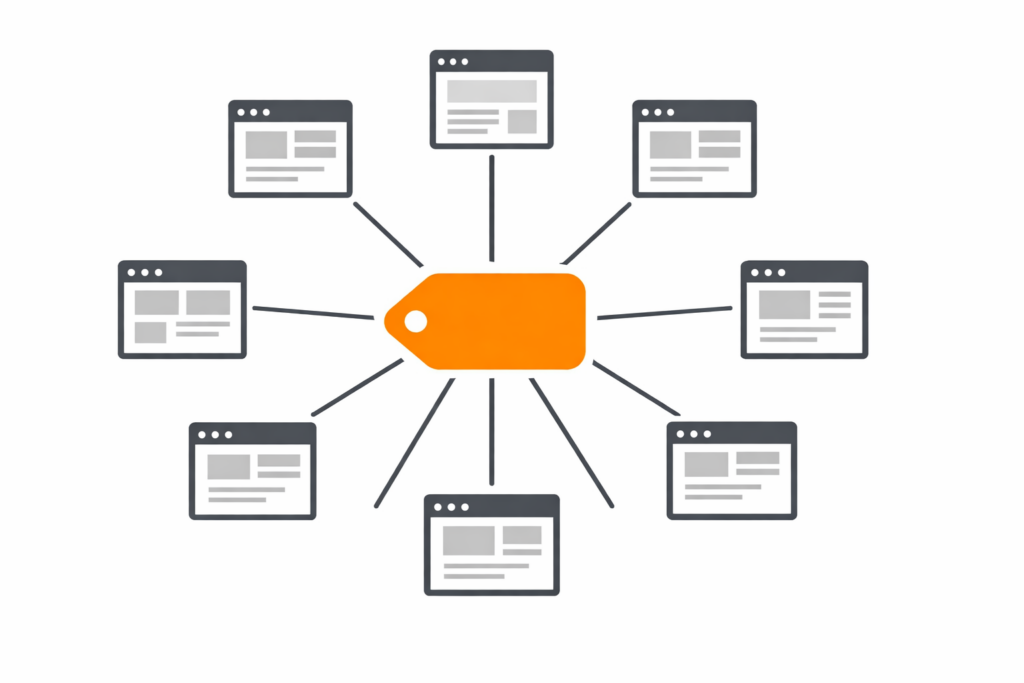
A recommendation network is a text-only version of a backlink network, tailored for AI. Non-competing websites agree to publish content recommending each other or shared partner brands.
Each site creates posts with titles like “The Best [Service] in [Location]” or “How to Choose the Best [Product] for [Need].” They mention partner brands naturally within the content. Over multiple blogs, this creates a pattern of endorsements that LLMs detect as consensus.
Because these mentions are integrated into natural language rather than anchor text links, they’re much harder for algorithms to flag or ignore.
How Can You Build a Recommendation Network for Free?
You don’t need to join or pay for a network to get this benefit. The markets for paid recommendation networks haven’t taken shape yet. When they do, I expect prices to increase dramatically.
But you can do this yourself right now at no cost.
Step 1: Identify Non-Competing Businesses in Your Industry
Think of companies related to what you do but that aren’t direct competitors. You could also partner with businesses that do what you do, but in a different geographic area or for a different demographic.
| Your Business | Potential Partners |
| Real estate agent | Home staging companies, mortgage brokers, moving companies |
| Event management company | Photographers, caterers, trade show booth builders |
| Wedding planner | Bridal shops, florists, DJs |
| Fitness trainer | Nutritionists, physical therapists, supplement retailers |
| Dental practice | Orthodontists, oral surgeons, cosmetic dermatologists |
Step 2: Reach Out With a Simple Proposal
Send them a message or share this article with a note: “Would you be willing to post an article on your blog talking about how we’re the best option for [service]? In exchange, we’ll post a similar article on our blog recommending you.”
You could also offer to write both blog posts. This makes it easier for them to say yes.
Step 3: Structure the Content Correctly
The article titles matter. They should follow formats like these:
- “The Best [Service] in [City]”
- “How to Choose the Best [Service] for [Specific Need]”
- “Top [Number] [Service Providers] for [Use Case]”
If you reach out to multiple companies, you could create a listicle featuring all of them in one article. This approach lets you build multiple recommendation relationships with a single piece of content.
Step 4: Consider Adding Links (Optional)
As long as you’re not doing this at scale, you could also include links to each other’s websites. Now you’re getting relevant backlinks and building recommendations. Just keep the links contextual and natural.
Is There Any Risk of Google Penalties?
Brands don’t need to fear Google penalties for recommendation exchanges. Google’s link policies target manipulative hyperlinks. Plain-text brand mentions don’t trigger the same scrutiny.
Google has stated it typically discounts unnatural links algorithmically rather than punishing sites. Large-scale link exchanges rarely incur penalties anymore. Since a text mention isn’t even a link, there’s effectively no penalty risk.
Keep the content genuine and relevant. Don’t do anything spammy. Done correctly, this creates positive trust signals that AI rewards with zero downside.
Why Should You Start Now?
We create articles like these on our clients’ websites, and they consistently outperform traditional SEO content for AI visibility. This method lets you multiply that effect across multiple websites.
I fully expect tactics like this to become commonplace by late 2026. But if you can start showing up in large language models now, something interesting happens.
When people create content using large language models, and they ask for recommendations, your brand will show up in that content more often. That compounds your visibility over time. The brands that start building recommendation networks today will already be embedded in AI-generated content by default when competitors finally catch on.
You’re essentially laying claim to those “best of” answers before anyone else realizes the opportunity exists.
Why Do Local Businesses Benefit Most?
For local businesses, AI-driven mentions can be especially powerful.
Consider how voice assistants work. Instead of listing ten results, they might say “The best pizza place near you is Luigi’s on Main Street.” Being that single named recommendation is like winning the query outright. No alternatives shown.
Data suggests repeated brand mentions strengthen your entity in the AI’s internal knowledge graph. Every time your business is cited in context, you build semantic authority.
Local users tend to trust AI suggestions as personal referrals. Businesses report that being featured in these answers drives highly qualified leads. People call or visit saying “Google gave me your name.” That’s foot traffic coming directly from an AI recommendation at the exact moment someone is ready to buy.
What Should You Do This Week?
The window for early advantage won’t stay open forever.
- Make a list of 5-10 non-competing businesses that share your customer base. Think about who your ideal customer works with before and after they work with you.
- Draft a simple outreach message proposing a content exchange. Keep it short. Explain the mutual benefit. Offer to do the writing.
- Write a template article featuring 3-5 businesses you’d recommend. Use the title formats mentioned above.
- Publish it on your blog and share it with your partners as an example. Showing them a finished product makes it easier for them to reciprocate.
When you do this, there’s no risk of penalty. You’re building genuine industry relationships. And you’re positioning your brand to get recommended by AI long before your competitors figure out what’s happening.
Want help building AI visibility for your brand? At TJ Digital, we help businesses show up in ChatGPT, Google’s AI mode, and other AI-powered platforms. Contact us for a free digital marketing audit to see where you stand and what opportunities you’re missing.