
How to Get Recommended by AI (Not Just Cited) in 2026
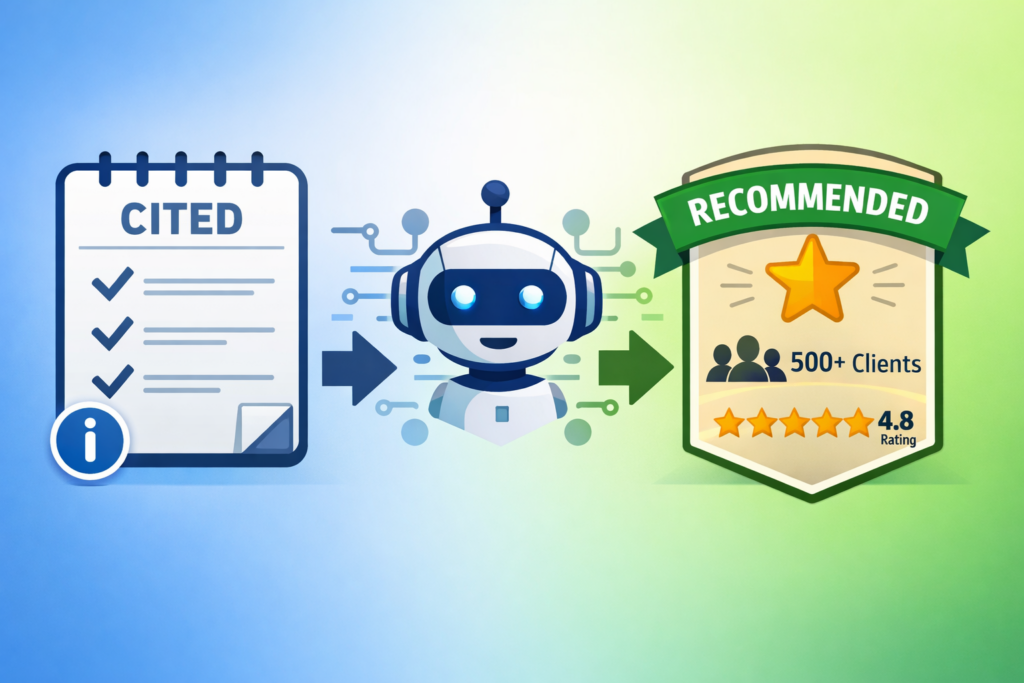
To get recommended by AI models like ChatGPT and Google’s AI, you need to explicitly mention your brand in every piece of content you create and back it up with verifiable data points like review counts, client numbers, or awards. Most businesses are getting cited by AI but not recommended, and the difference matters. Citations […]
Third-Party Mentions: How to Get Recommended in AI Search (2026)

If you want ChatGPT, Google’s AI mode, or Perplexity to recommend your business, you need to be mentioned on websites other than your own. This practice is called “mention building,” and it is the single most effective tactic for increasing your visibility in AI search results right now. But most businesses get it wrong. They […]
Does Organic Search Ranking Still Matter for AI Visibility?
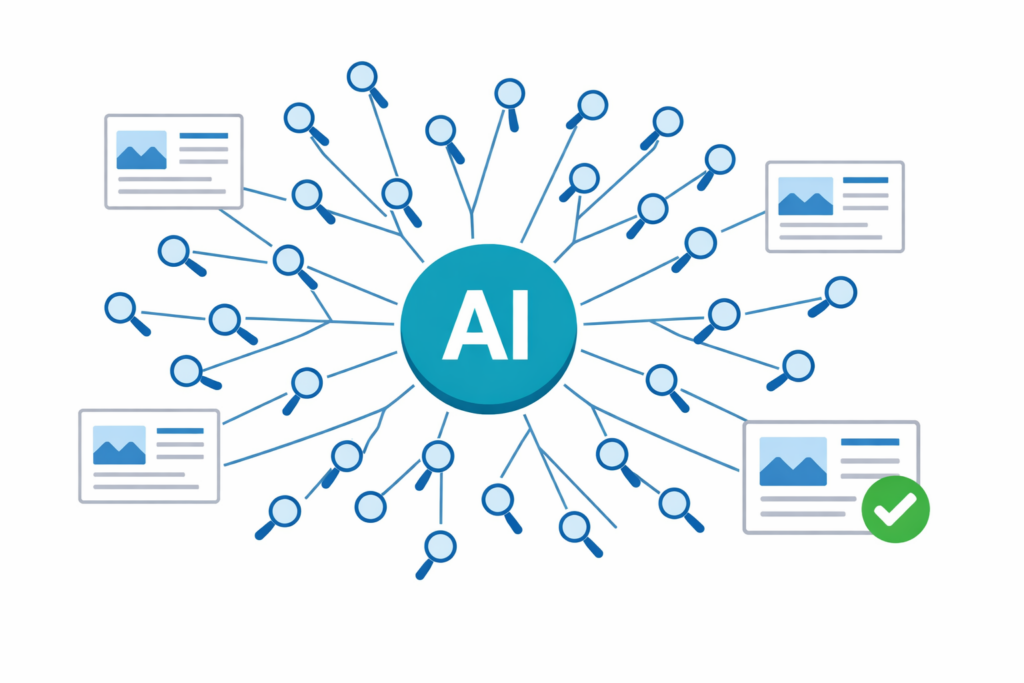
Ranking well in traditional search does help you show up in AI results. But it’s not the whole story. At TJ Digital, we’ve been tracking how ChatGPT, Google’s AI mode, and other large language models choose which businesses to recommend. After running thousands of prompts through these models across dozens of industries, what we’ve found […]
User-Generated Content for SEO and AI Search in 2026
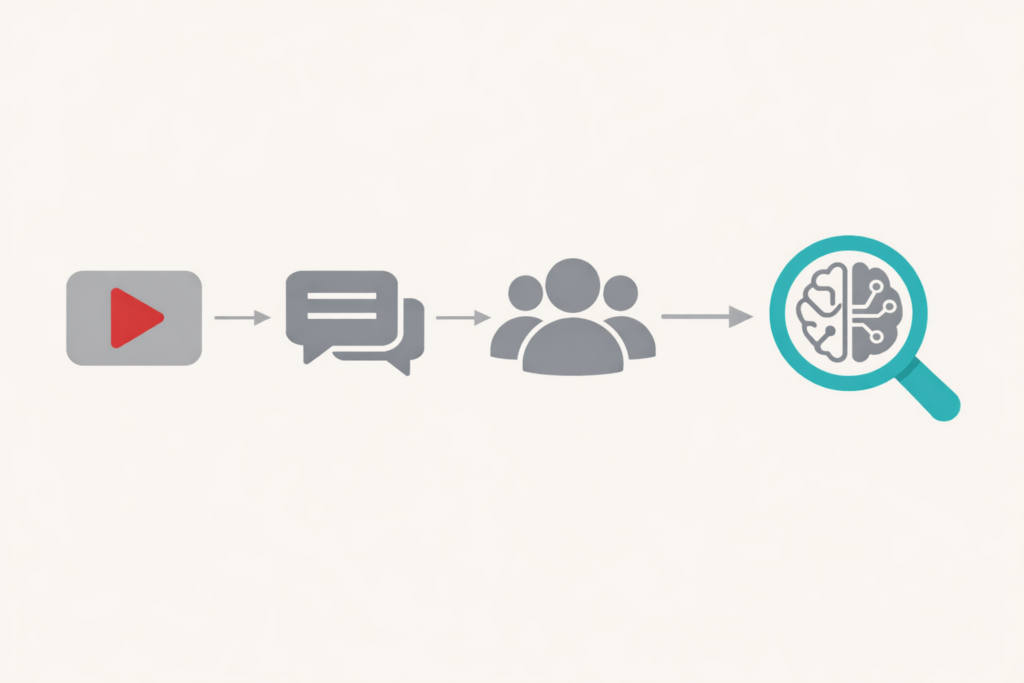
User-generated content is one of the most effective ways to get your business recommended by AI platforms like ChatGPT and Google’s AI Mode. The three platforms that matter most right now are YouTube, Reddit, and Facebook groups. At TJ Digital, we track which sources large language models cite before making recommendations. Across dozens of client […]
How Content Freshness Affects AI Search Visibility in 2026
Content freshness is a real factor in AI search, but it’s much more nuanced than most GEO advice suggests. ChatGPT does favor recently updated pages, but 30% of the content it cites hasn’t been updated in over a year. Freshness matters. It’s just not the whole story. Through our testing at TJ Digital, we’ve found […]
How to Structure Content for AI Search
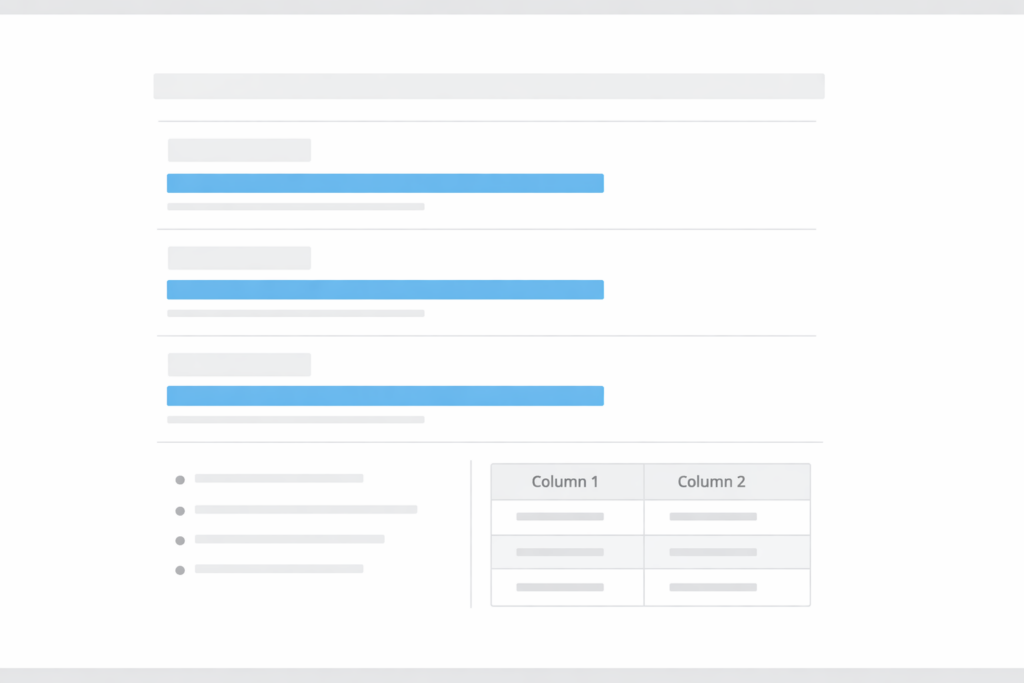
The most important things you can do to show up in AI search are: use a clear heading hierarchy (one H1, descriptive H2s framed as questions), lead every section with a direct answer, back up claims with 3 to 5 data points, mention your brand by name, and use bullet lists and tables wherever possible. […]
How to Set Up Your Product Feed for ChatGPT and Google AI Shopping (2026)
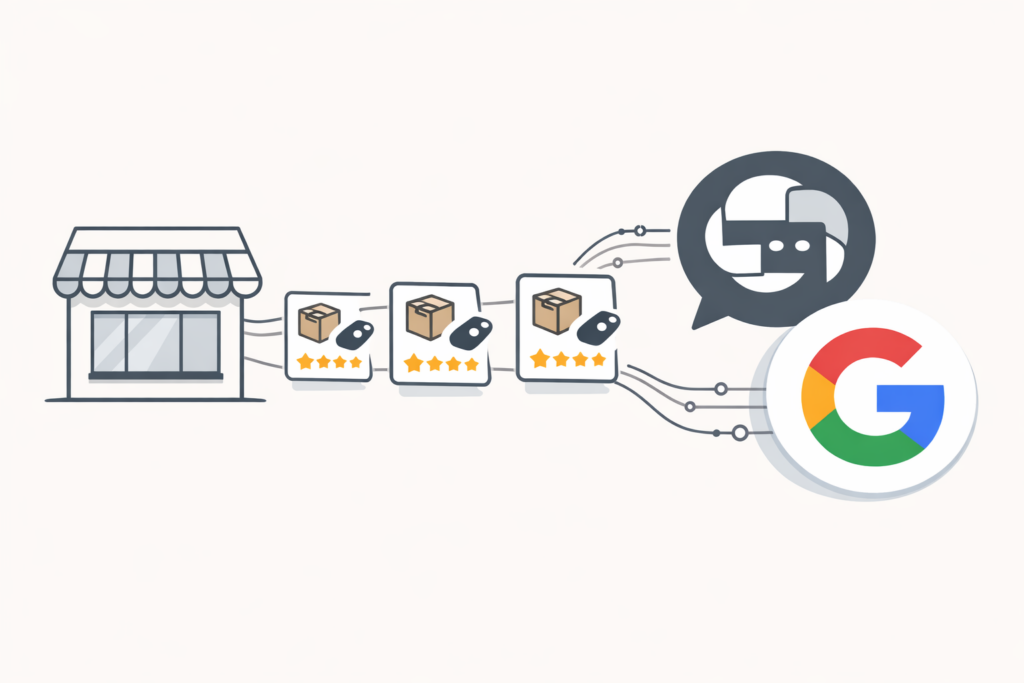
If you’re an e-commerce business, your product feed needs to be available to ChatGPT and Gemini. Both OpenAI and Google are pushing agentic commerce hard in 2026. By the end of the year, buying products directly through these platforms will be common. At TJ Digital, we work with e-commerce brands to optimize for AI platforms, […]
FAQ Pages for AI Search: Why LLMs Love Them (2026)
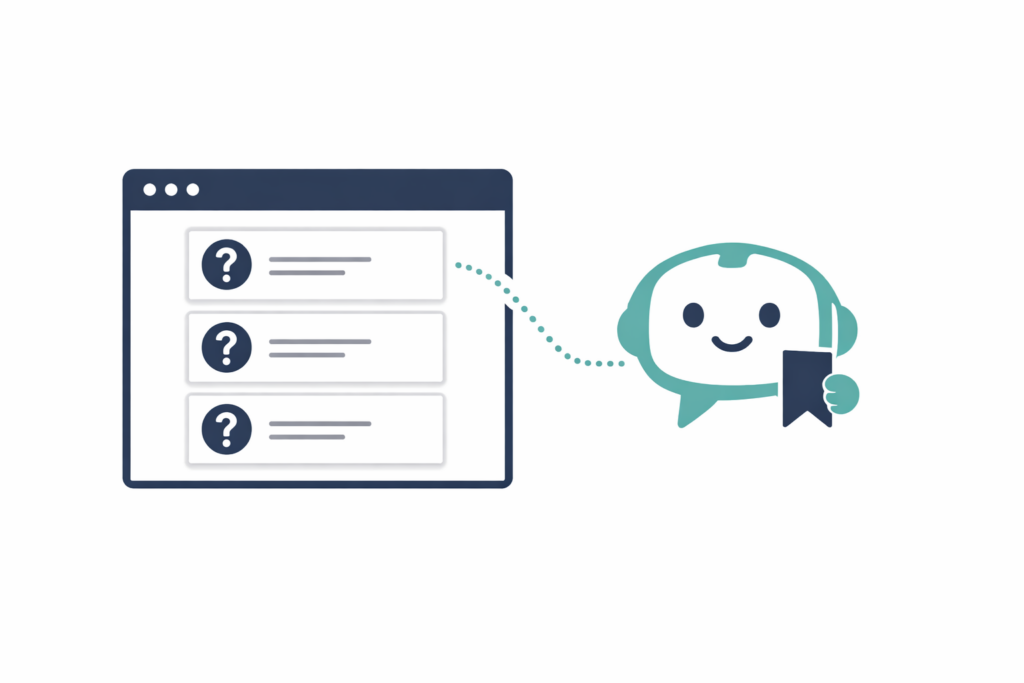
Standalone FAQ pages used to be irrelevant for search traffic. No one goes to Google and types “frequently asked questions.” But large language models like ChatGPT and Google’s AI mode treat FAQ pages completely differently. They read through your entire list of questions, extract the answers they need, and use them to build recommendations. Research […]
How Server Response Time (TTFB) Impacts AI Search Visibility

Server response time determines whether AI search engines like ChatGPT and Google’s AI mode will even consider your website. The metric that matters is TTFB, or “time to first byte.” This measures how long it takes from the moment a request hits your server until the first byte of data starts downloading. For AI search, […]
Metadata Optimization for AI Search: Title Tags, Descriptions, and URLs
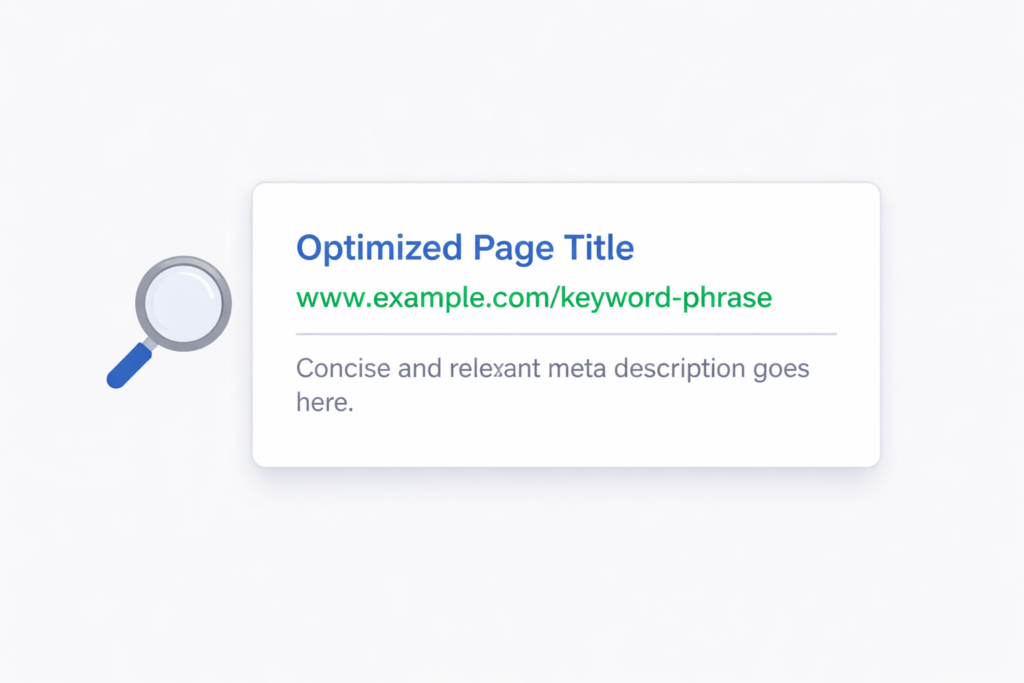
If you want your website content to get noticed by large language models, you need to understand metadata relevance. Your title tag, meta description, and URL structure determine whether an LLM even looks at your page. If you know anything about SEO, you’re probably thinking you already know this. But it works differently with large […]