
TypeSafe Jev: When to Use TypeSafe AI’s New Model in 2026

Use TypeSafe Jev for the simple, repeated decisions inside an AI workflow, like routing a lead, scoring how urgent a request is, or answering a yes-or-no question. Jev picks its answer from options you define, runs up to 200 times faster than frontier models, and costs about four pennies per million input tokens. At TJ […]
Is It Safe to Let AI Agents Run Without Supervision?

Is it safe to let AI agents run without supervision? Yes, inside clear limits. Here’s what to keep for yourself and how to set up an agent to work on its own.
How to Integrate AI Into Your Business in 2026 (Team Guide)

The easiest way to integrate AI into your business is to sign up for a Claude or ChatGPT team plan and build a shared knowledge base inside it. A shared AI knowledge base is built from three tools. Connectors pull in data from software you already use, projects hold large bodies of information like client […]
How to Run Your Business With AI

Running your business with AI takes two things: one AI connected to every tool you work in, and your information organized so the AI can find and update it.
Google AI Contribution Pilot: Why Google Pays Publishers

Google’s AI contribution pilot pays select publishers when their content makes a meaningful contribution to answers in AI Mode, AI Overviews, and the Gemini app. Google is paying publishers because AI answers are replacing the search traffic that used to reward people for publishing. At TJ Digital, we help businesses show up in AI answers […]
How to Control What Google AI Says About Your Business in 2026

To control what Google AI says about your business, publish the facts you want repeated on the properties you control, then make sure third-party sources say the same thing. In practice that means five specific pages on your website, complete profiles on the platforms and directories your industry uses, and a steady flow of real […]
Are Google Ads Still Worth It in 2026?
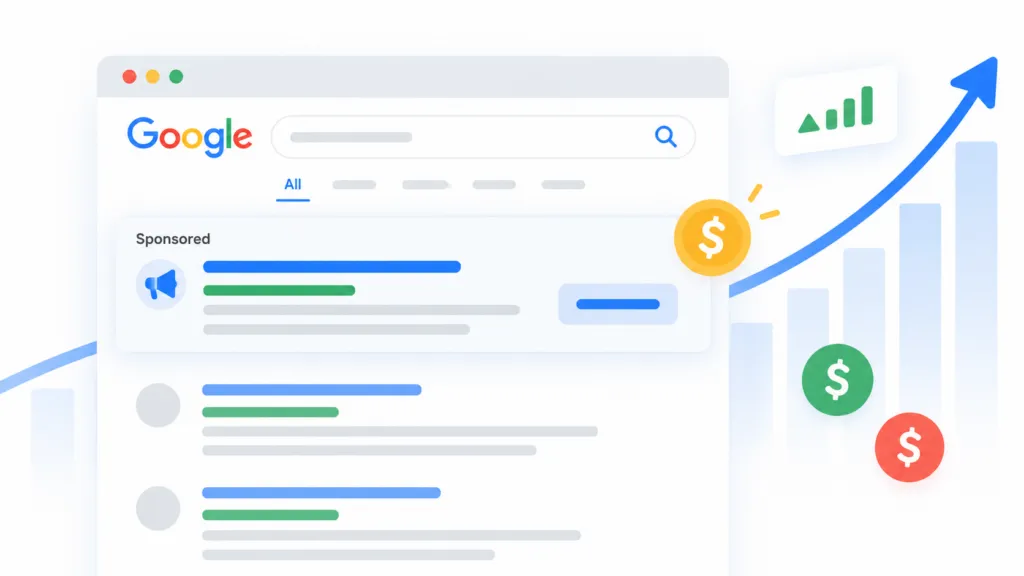
Google Ads still work in 2026. Clicks cost more than they used to and the easy wins are gone, but the channel isn’t dying. I’ve talked to several business owners in the last few weeks who were sure Google Ads was on its way out. That usually comes from one of two assumptions: that people […]
GPT-6 Astra vs Claude Fable 5.1: Which Is Better for Agency Work?

A few days ago I canceled two of our three $200 Claude Max plans and signed up for the equivalent ChatGPT plan so I could put GPT-6 Astra up against Claude Fable 5.1 on real work. I’d seen the benchmarks and the demos. I’d already told our team we were probably going to move most […]
How to Do a Website Content Audit in 2026

A website content audit is a page by page review of every URL on your site that ends in one decision per page. Keep it, rewrite it, or remove it. You pull crawl data, Google Search Console data, and Google Analytics data into one spreadsheet, review each page against that data, and then act on […]
How Much Content Is Too Much? Safe AI Publishing in 2026

There’s no page-per-day limit in Google’s guidelines. For most websites, one strong page per week is a safe starting pace. About one page per day becomes reasonable once you have 50 or more pages already pulling in search traffic. At TJ Digital we manage content for our clients’ websites, and one number tells us whether […]